A voice assistant has to know how to say no
The risk with AI on the phone is not that it fails to understand. It is that it answers anyway. Here is where we drew the lines, and why.
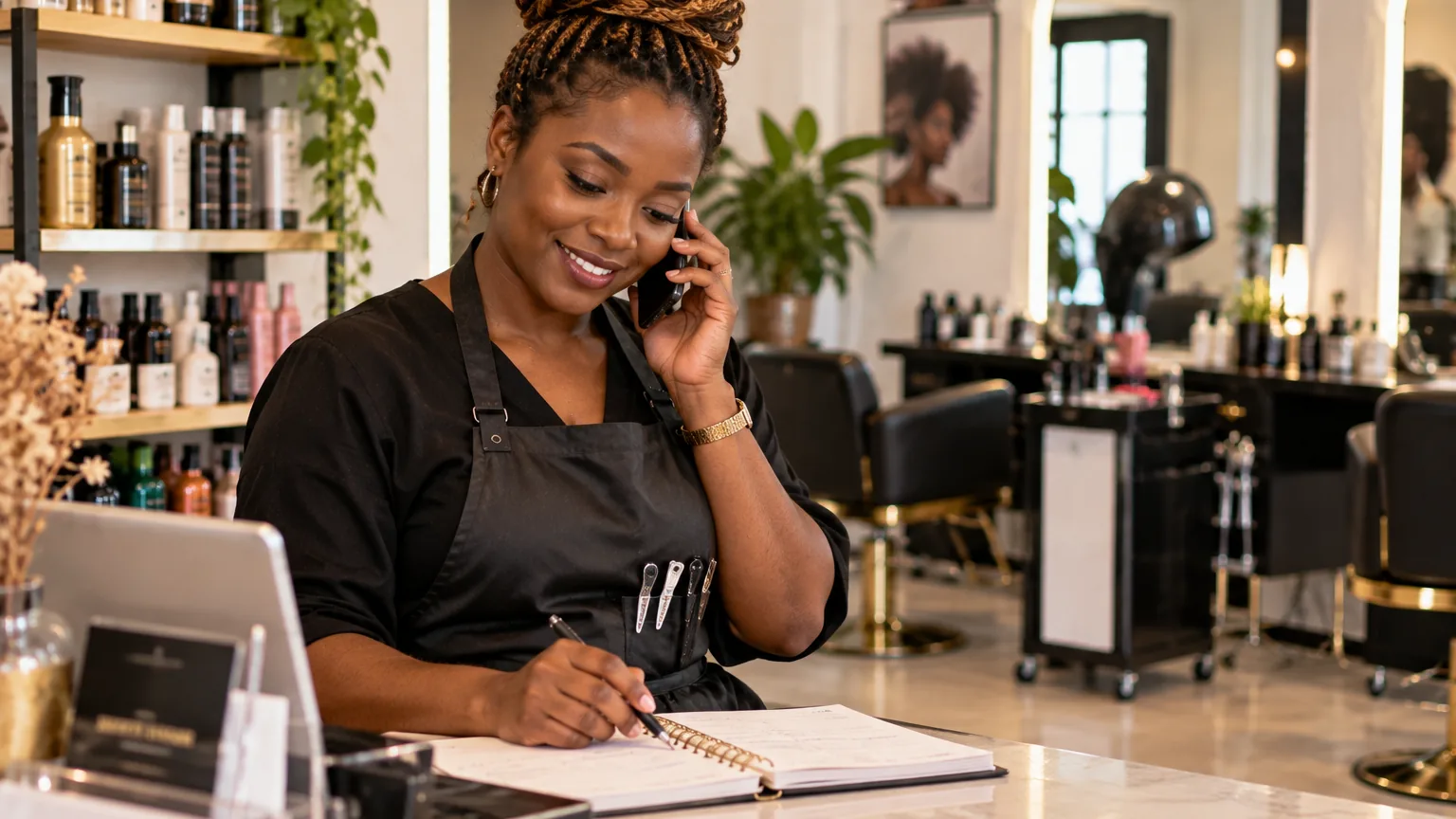
With a voice assistant, a salon owner’s first question is never “does it work”. It is: “what happens when it doesn’t?”
The right answer is not to promise that it always works.
The real risk is not silence
An AI that does not understand a request and says so does almost no damage. An AI that invents a plausible answer does plenty. It confirms an appointment for a day the salon is closed, quotes a price that does not exist, or gives technical advice about a colour.
A salon’s phone is not a channel like any other: it is often the first time a person speaks to you. A mistake at that moment is not fixed with an apology email.
What the assistant will not do
We settled this early, and the limits are part of the product:
- No technical advice. A question about a reaction, a product or what is feasible goes to the hairdresser. The assistant offers to have the salon call the client back.
- No invented prices. It quotes what is in your price list, nothing else. A service that is not there goes to the salon.
- No negotiating. It grants nothing that is not in your rules: no discount, no arrangement.
- No pretending. If it cannot handle a request, it says so, and the request comes back to you.
What comes back to you
What the assistant does not settle itself comes back to you, with the reason and the caller’s number. You call back when you have time, with the context in front of you.
Trust is built from the bottom
An assistant that handles 80 % of calls well and honestly passes on the other 20 % is worth more than one claiming to handle everything. Clients feel it, and so do teams.
It sells less well on a web page. It holds up better day to day.